
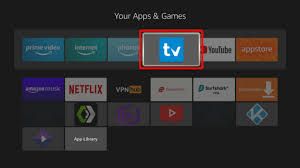
Modern television viewing has moved far beyond traditional cable packages. Today, viewers expect flexibility, sharp picture quality, convenient navigation, and access to entertainment across multiple devices. IPTV has become an important part of this shift because it allows television content to be delivered through an internet connection rather than relying solely on conventional broadcast or cable infrastructure.
For viewers who enjoy experimenting with advanced streaming technology, TiviMate 8K IPTV USA represents an interesting combination of a feature-rich IPTV player and high-resolution entertainment. While TiviMate itself functions as a player rather than a content provider, its interface and playback tools can make a compatible IPTV service easier to organize and use.
The appeal becomes even stronger as televisions, streaming devices, and home networks increasingly support 4K and 8K video. However, getting the best possible experience requires more than simply choosing the highest resolution available. We need to consider internet performance, device compatibility, display capabilities, playlist organization, electronic program guides, audio support, and responsible use of IPTV services.
This professional guide explores the important aspects of setting up and optimizing an IPTV viewing environment, with particular attention to viewers in the United States.
What Is TiviMate?
TiviMate is an IPTV player designed primarily for Android TV and compatible Android-based television devices. Instead of providing television channels itself, the application gives users an interface for managing compatible IPTV playlists and viewing content supplied by a separate provider.
This distinction is important. An IPTV player and an IPTV subscription are not automatically the same thing. The player can organize available content, while the provider supplies the actual streams. Therefore, viewers should evaluate both components separately.
A good IPTV player should make navigation simple. Large channel lists can quickly become difficult to manage without categories, favorites, search tools, and an electronic program guide. TiviMate is particularly popular among users who want a television-style interface rather than a basic streaming application.
Understanding the 8K Concept
8K refers to a display resolution of approximately 7680 × 4320 pixels. This provides four times as many pixels as 4K and sixteen times as many pixels as Full HD.
However, resolution alone does not guarantee a better viewing experience.
To genuinely benefit from 8K content, we need several compatible components:
- An 8K-capable television or display
- A device capable of processing the relevant video format
- A suitable IPTV stream
- Sufficient network bandwidth
- Stable internet connectivity
- Appropriate video decoding support
- Content that is actually produced and delivered at 8K resolution
This is why TiviMate 8K IPTV USA should be understood as a viewing setup rather than a guarantee that every channel will automatically appear in 8K.
A player cannot transform ordinary HD footage into genuine native 8K content. Upscaling may improve the appearance of lower-resolution video on some displays, but it is different from receiving a native 8K stream.
Why IPTV Enthusiasts Are Interested in High Resolution
Picture quality has become one of the biggest considerations for home entertainment users. Large-screen televisions make resolution differences easier to notice, especially when viewers sit relatively close to the display.
High-resolution content can deliver greater detail in landscapes, sports broadcasts, documentaries, movies, and other visually rich programming.
For IPTV enthusiasts, the attraction is not simply the number of pixels. A complete viewing experience also depends on bitrate, compression, frame rate, color reproduction, HDR support, audio quality, and stream stability.
A poorly compressed high-resolution stream can sometimes look less impressive than a well-encoded lower-resolution stream. Therefore, we should evaluate overall stream quality rather than focusing exclusively on the resolution label.
How TiviMate Organizes IPTV Content
One of the major advantages of a dedicated IPTV player is organization.
A large IPTV playlist can contain hundreds or thousands of channels. Without an effective interface, finding a particular channel can become frustrating. A player such as TiviMate can help organize channels into logical groups and favorites.
Common categories may include:
- Live television
- Sports
- Movies
- News
- Entertainment
- Kids programming
- International channels
- Regional channels
- Documentary content
The electronic program guide can also make television browsing more convenient. Instead of opening individual channels to determine what is currently airing, viewers can use the guide to review scheduled programming.
This type of organization is particularly useful for households where several people use the same television.
TiviMate 8K IPTV USA Setup Considerations
A successful TiviMate 8K IPTV USA setup begins with compatible hardware.
Android TV devices, Google TV devices, and compatible television platforms can provide a convenient environment for IPTV applications. Before installing anything, we should confirm that the device supports the application version being used and has adequate processing capabilities.
The basic setup process generally involves:
- Preparing a compatible Android TV or streaming device.
- Installing the TiviMate application through an appropriate official or legitimate distribution method.
- Obtaining IPTV playlist credentials from a lawful provider.
- Adding the playlist information inside the application.
- Configuring the electronic program guide when supported.
- Organizing channels into groups and favorites.
- Adjusting playback settings according to the device and network.
- Testing several channels for stability and picture quality.
The exact menu names can vary depending on the application version and device interface, so we should always follow the current instructions available for the specific platform.
Choosing the Right IPTV Provider
The player is only one part of the experience. The IPTV provider has a major influence on reliability, picture quality, and available programming.
We should evaluate a provider based on practical factors rather than simply counting the number of channels advertised.
Important considerations include:
Stream Stability
A service should provide consistent streams without frequent interruptions. Constant buffering can ruin even the most advanced television setup.
Video Quality
We should determine whether advertised HD, Full HD, 4K, or 8K content is actually delivered at those resolutions. Resolution claims should be supported by appropriate technical quality.
Electronic Program Guide Support
A reliable EPG can make a large channel lineup much easier to navigate.
Device Compatibility
The service should work properly with the devices we actually use. Compatibility information should be checked before purchasing a subscription.
Customer Support
Good technical support can be valuable when playlist credentials, EPG data, or playback settings require troubleshooting.
Legal Content Rights
Most importantly, IPTV services should provide content legally and with the appropriate distribution rights. Users should verify that a service is authorized to distribute the channels and programming it offers.
Internet Requirements for High-Resolution IPTV
Internet performance is one of the most important factors in streaming quality.
High-resolution video generally requires more bandwidth than standard-definition video. However, the exact requirement varies according to compression, codec, bitrate, frame rate, HDR format, and the provider's streaming configuration.
A fast internet package alone does not guarantee perfect playback. Network stability matters just as much.
For example, a connection that briefly drops or fluctuates can cause buffering even when its advertised maximum speed appears more than sufficient.
We should therefore consider:
- Download speed
- Connection stability
- Wi-Fi signal strength
- Router performance
- Network congestion
- Ethernet availability
- Distance from the wireless router
- Number of simultaneously connected devices
For demanding high-resolution streaming, a wired Ethernet connection can be particularly useful when the television or streaming device supports it.
Wi-Fi Optimization for IPTV Streaming
Many households rely entirely on Wi-Fi. When configured correctly, modern Wi-Fi networks can provide excellent streaming performance.
The router should ideally be positioned in a central location with minimal physical obstruction. Thick walls, floors, appliances, and long distances can weaken wireless performance.
We should also avoid placing the streaming device in an area where the wireless signal is consistently poor.
If multiple devices are simultaneously streaming video, downloading large files, gaming online, or performing cloud backups, available bandwidth can become divided. Managing network traffic can therefore improve the consistency of IPTV playback.
Using Ethernet for a More Stable Connection
For users who prioritize reliability, Ethernet remains one of the most practical options.
A wired connection eliminates many common wireless problems, including interference and signal fluctuations. This can be particularly beneficial for high-bitrate video.
If the television is close to the router, Ethernet may be the simplest solution. For distant rooms, users can consider professionally installed network cabling or appropriate networking equipment.
The goal is not necessarily to achieve the highest possible speed. Instead, the objective is to maintain a stable connection capable of handling the stream continuously.
Optimizing the TiviMate Interface
A clean interface can make a major difference when managing large IPTV playlists.
We can start by organizing frequently watched channels into favorites. This prevents us from repeatedly scrolling through a long channel list.
Groups should also be arranged logically. For example, sports channels can be separated from news and entertainment channels.
The EPG can further improve navigation by providing program information. When properly configured, viewers can see what is currently playing and what is scheduled next.
These small adjustments can turn a complicated IPTV playlist into a much more manageable television environment.
Picture Quality Beyond Resolution
When evaluating TiviMate 8K IPTV USA, resolution should never be considered the only measure of quality.
Several technical elements influence what viewers actually see.
Bitrate
Bitrate determines how much data is used to represent video. Higher bitrate can preserve more detail, although excessive bitrate is not automatically beneficial.
Codec
Modern codecs can deliver high visual quality while reducing bandwidth requirements. Compatibility between the stream and playback device is essential.
Frame Rate
Sports and fast-moving programming can benefit from higher frame rates because motion may appear smoother.
HDR
High Dynamic Range can improve contrast and color reproduction when the content, television, and playback chain all support it.
Color Depth
Greater color depth can help produce smoother gradients and more accurate visual transitions.
Consequently, a complete picture-quality assessment should consider the entire technical chain rather than simply looking at an 8K label.
Avoiding IPTV Buffering Problems
Buffering is among the most common complaints associated with internet television.
When buffering occurs, we should identify the source rather than immediately blaming the application.
Possible causes include:
- Weak Wi-Fi
- Network congestion
- Provider-side server problems
- Insufficient bandwidth
- Device limitations
- Outdated software
- High stream bitrate
- Incorrect playback settings
A useful troubleshooting approach is to test several channels. If only one channel buffers while others work normally, the problem may be related to the specific stream. If every channel buffers, the issue may be related to the device, network, or provider.
Restarting the router and streaming device can also resolve temporary connection problems.
Device Performance Matters
An 8K television may have an impressive display panel, but the connected streaming device still needs adequate hardware.
Processing capability affects how efficiently the device handles demanding video streams. Storage and available memory can also influence the overall responsiveness of an Android TV environment.
For a premium setup, we should select hardware based on actual codec and resolution support rather than choosing a device solely because it has a high-resolution marketing label.
Audio Quality and IPTV
Visual quality receives most of the attention, but audio is equally important.
Modern home entertainment systems can support technologies such as surround sound and other advanced audio formats. However, the IPTV stream, player, television, and sound system must all support the relevant format.
If a channel provides only basic audio, an expensive sound system cannot recreate the original advanced soundtrack.
For movies and sports, balanced audio can significantly improve immersion. Users should therefore consider both video and audio capabilities when building an IPTV entertainment system.
Security and Privacy Considerations
When using IPTV applications, security should remain a priority.
We should avoid installing applications from unknown or suspicious sources. Unverified software packages may introduce security risks.
Strong account credentials should also be used where applicable. If an IPTV provider supplies login details, those credentials should not be publicly shared.
Users should also be cautious with websites or services that request unnecessary personal information, demand unusual payment methods, or make unrealistic claims.
A professional IPTV setup should prioritize legitimate applications, trustworthy services, secure devices, and responsible digital practices.
Responsible IPTV Usage in the USA
IPTV technology itself is a method of delivering television content over internet networks. The legal status of a specific IPTV service depends on the content being distributed and whether the provider has the necessary rights.
Therefore, users in the United States should choose services that are properly authorized to distribute their programming.
This approach protects viewers from unreliable services while also supporting legitimate content creators, broadcasters, and distributors.
Best Practices for IPTV Enthusiasts
A high-quality setup does not need to be unnecessarily complicated.
We can follow several practical habits:
- Keep the streaming device updated.
- Use a stable internet connection.
- Prefer Ethernet where practical.
- Organize IPTV channels into useful categories.
- Keep favorite channels easily accessible.
- Configure the EPG correctly.
- Test streams before assuming the entire service is problematic.
- Use legitimate IPTV providers.
- Avoid questionable third-party application packages.
- Check display and codec compatibility before expecting 8K playback.
These practices can improve convenience while reducing common technical issues.
Common Mistakes to Avoid
One of the biggest mistakes is assuming that an 8K television automatically means every IPTV channel will play in 8K.
Another mistake is choosing a provider based entirely on the number of channels advertised. A huge channel list is not necessarily better than a smaller, reliable lineup.
We should also avoid assuming that internet speed alone determines streaming quality. Stability, latency, congestion, device performance, and provider infrastructure all matter.
Finally, installing applications from unverified sources can introduce unnecessary security risks.
How to Build a Premium IPTV Entertainment Setup
A well-designed setup can combine a capable television, reliable streaming hardware, stable internet, quality audio equipment, and a properly configured IPTV player.
The television should match the desired resolution and HDR capabilities. The streaming device should support the required video formats. The network should provide consistent connectivity. The IPTV provider should offer legitimate programming with dependable streams.
Once these components are working together, the player can serve as the central interface for organizing the experience.
This approach is more effective than focusing on one specification in isolation.
Future of High-Resolution IPTV
Streaming technology continues to evolve. As display prices decrease and network infrastructure improves, high-resolution video is likely to become increasingly accessible.
At the same time, compression technologies will continue developing. More efficient codecs can make demanding video formats easier to deliver without requiring excessive bandwidth.
For IPTV enthusiasts, this means future viewing experiences may become more detailed, responsive, and flexible.
However, content availability remains an important factor. The industry must continue producing and distributing native high-resolution programming if viewers are to take full advantage of advanced displays.
Conclusion
A professional IPTV setup requires more than installing an application and selecting a high-resolution television. We need to consider the entire viewing environment, including the IPTV provider, streaming device, network, display, audio system, and software configuration.
TiviMate 8K IPTV USA can be an attractive concept for enthusiasts who want an organized IPTV interface combined with modern high-resolution home entertainment. However, genuine 8K playback depends on receiving appropriate native content and having hardware and network infrastructure capable of handling it.
The most reliable approach is to prioritize legitimate IPTV services, compatible devices, stable connectivity, and thoughtful configuration. By organizing playlists, optimizing the network, checking device capabilities, and understanding the difference between native resolution and upscaling, we can create a smoother and more enjoyable television experience.
For viewers exploring TiviMate 8K IPTV USA, the key is to focus on the complete ecosystem rather than one specification. When every component works together, high-quality IPTV can become a practical and flexible part of a modern home entertainment setup.
FAQs
1. Does TiviMate itself provide 8K IPTV channels?
No. TiviMate is an IPTV player rather than a television content provider. The available resolution depends on the IPTV service, stream, device, network, and display.
2. Can TiviMate work with IPTV services in the USA?
TiviMate can be used with compatible IPTV playlists on supported devices. Users should select legitimate services and confirm compatibility before subscribing.
3. Is 8K IPTV better than 4K IPTV?
Native 8K can provide greater detail than 4K on compatible displays, particularly on large screens. However, stream quality, bitrate, compression, content production, and viewing distance also influence the experience.
4. What internet connection is best for high-resolution IPTV?
A stable, sufficiently fast connection is important. Ethernet can provide additional reliability, while modern Wi-Fi can also work well when signal strength and network conditions are good.
5. Why does IPTV sometimes buffer even with fast internet?
Buffering can result from network congestion, unstable Wi-Fi, provider-side problems, device limitations, or inefficient streaming settings. Testing multiple channels can help identify the source.