
Modern companies depend on fast and stable communication. Clients expect clear calls. Teams need reliable systems. Remote staff require access from any location. Traditional phone systems struggle to meet these demands. Costs rise. Maintenance becomes harder. Expansion slows down.
SIP trunking for business solves these problems with a flexible internet-based communication system. It replaces outdated phone lines and gives companies a modern way to manage voice communication. Businesses can scale faster, reduce costs, and improve reliability without major hardware investments.
Companies of every size now use SIP trunking to support hybrid work, improve customer service, and simplify communication across departments. From small firms to large enterprises, SIP trunking has become a key part of modern business infrastructure.
What Is SIP Trunking for Business
SIP stands for Session Initiation Protocol. It is the technology that allows voice calls to travel over the internet instead of traditional telephone networks.
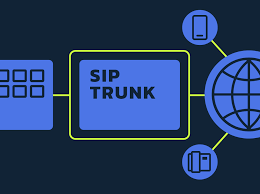
A SIP trunk acts as a virtual phone line. It connects a company’s private branch exchange system, also known as PBX, to the internet. This connection allows businesses to make and receive calls using internet connectivity rather than copper phone lines.
Traditional systems rely on physical infrastructure. SIP trunking removes that limitation. Businesses can operate from multiple locations while using a single communication network.
Core Features of SIP Trunking
How SIP Trunking for Business Works
SIP trunking converts voice signals into digital data packets. These packets travel through an internet connection instead of physical phone lines.
The process works in several stages:
- A user makes a call through a business phone system
- The SIP provider routes the call over the internet
- The recipient receives the call through another SIP-enabled network or traditional line
- Data travels quickly with minimal delay
Businesses usually connect SIP trunking with:
- IP PBX systems
- Hosted VoIP platforms
- Unified communication systems
- Cloud-based collaboration tools
This setup creates a streamlined communication environment.
Why Businesses Are Switching to SIP Trunking
Companies now need flexible systems that support growth and remote work. Traditional telecom systems often create limitations that affect operations.
Lower Communication Costs
Traditional phone systems involve:
- Expensive line rentals
- Hardware maintenance
- International call charges
- Long installation times
SIP trunking reduces these costs by using internet connectivity. Businesses pay only for the channels and services they need.
Cost Comparison Table
Scalability for Growing Companies
Business growth often requires additional phone lines and infrastructure. Traditional systems make expansion difficult.
SIP trunking allows businesses to add channels instantly without installing new physical lines. This flexibility helps companies scale communication systems according to demand.
Seasonal businesses benefit greatly because they can increase or reduce channels whenever needed.
Improved Call Quality and Reliability
Modern SIP providers offer high-definition voice quality. Calls remain clear when supported by a stable internet connection.
Advanced routing systems also improve uptime. If one route fails, calls automatically shift to another route.
This creates:
- Better customer experiences
- Reduced dropped calls
- Faster communication
- Improved operational continuity
SIP Trunking for Remote and Hybrid Work
Hybrid work models continue to grow across industries. Employees now work from homes, branch offices, and mobile locations.
Traditional systems cannot support this flexibility effectively.
SIP trunking allows teams to:
- Use business numbers remotely
- Transfer calls easily
- Access voicemail online
- Join communication systems from any location
This improves collaboration without increasing infrastructure complexity.
Key Benefits of SIP Trunking for Business
1. Flexible Communication
Employees can work from anywhere while remaining connected through one system.
2. Reduced Hardware Dependency
Businesses no longer require large telecom setups with extensive wiring.
3. Easy Integration
SIP trunking works with CRM systems, collaboration tools, and cloud platforms.
4. Better Disaster Recovery
Cloud-based routing protects communication during emergencies or outages.
5. Centralised Management
Administrators can control communication systems from a single dashboard.
SIP Trunking vs Traditional Phone Systems
Many businesses still rely on legacy systems. However, the differences between old infrastructure and SIP trunking are significant.
SIP trunking gives businesses greater operational control while reducing communication limitations.
Industries That Benefit From SIP Trunking
Healthcare
Healthcare providers need reliable communication for appointments, emergency coordination, and patient support.
Retail
Retail chains use SIP systems to connect stores and support customer service centres.
Finance
Financial institutions require secure and uninterrupted communication systems.
Education
Educational organisations use SIP trunking to support hybrid learning and administration.
Corporate Enterprises
Large enterprises manage global communication through centralised SIP systems.
Security in SIP Trunking for Business
Security remains essential for internet-based communication systems.
Modern SIP providers use:
- Encryption protocols
- Session border controllers
- Traffic monitoring
- Firewall protection
- Fraud detection systems
Businesses should also implement:
- Strong passwords
- Network segmentation
- Secure internet connections
- Multi-factor authentication
These measures reduce communication risks and protect sensitive business information.
Choosing the Right SIP Trunking Provider
The provider plays a major role in performance and reliability.
Businesses should evaluate several factors before selecting a provider.
Important Selection Criteria
Network Reliability
Providers should guarantee high uptime and stable routing.
Scalability
The system must support future growth.
Support Services
Technical support should be available quickly when needed.
Security Standards
Providers must offer strong security infrastructure.
Compatibility
The service should integrate with existing PBX or VoIP systems.
Common Challenges in SIP Trunking
While SIP trunking offers major advantages, businesses must address certain technical considerations.
Internet Dependence
Poor internet quality affects call performance.
Solution
Use dedicated bandwidth and quality networking equipment.
Configuration Complexity
Improper setup can create connection issues.
Solution
Work with experienced telecom professionals during deployment.
Security Risks
Internet-based systems may face cyber threats.
Solution
Implement encryption, monitoring, and firewall protection.
Future of SIP Trunking for Business
Business communication continues to evolve toward cloud-based systems. SIP trunking remains a major part of this transition.
Future developments include:
- AI-powered communication analytics
- Smarter call routing
- Improved automation
- Better integration with collaboration platforms
- Advanced remote communication features
Companies that modernise communication infrastructure today gain long-term operational advantages.
How SIP Trunking Supports Business Continuity
Unexpected outages can disrupt operations and damage customer trust.
SIP trunking helps businesses maintain continuity through:
- Automatic rerouting
- Cloud-based infrastructure
- Geographic redundancy
- Mobile accessibility
Employees can continue handling calls even during office disruptions.
This resilience protects productivity and customer relationships.
Best Practices for SIP Trunking Deployment
Businesses should follow structured deployment strategies.
Assess Network Readiness
Check bandwidth capacity and network stability.
Choose Quality Equipment
Reliable routers and PBX systems improve performance.
Train Employees
Staff should understand how to use the communication platform effectively.
Monitor System Performance
Continuous monitoring helps identify issues before they affect operations.
Why Modern Companies Need SIP Trunking
Communication drives customer service, sales, operations, and collaboration. Businesses cannot afford outdated systems that limit flexibility and growth.
SIP trunking gives companies:
- Lower communication costs
- Improved reliability
- Better scalability
- Remote accessibility
- Stronger operational efficiency
It supports modern work environments while simplifying infrastructure management.
Businesses that adopt SIP trunking position themselves for long-term communication success.
How Almens Consult Can Help You
Almens Consult helps businesses modernise communication systems with reliable and scalable telecom solutions. From SIP trunking deployment to VoIP integration and cloud communication support, their team delivers customised solutions that improve efficiency and reduce operational costs. Whether your business needs secure remote communication, system upgrades, or enterprise-level voice infrastructure, Almens Consult provides professional guidance and technical expertise for long-term communication performance.
Conclusion
Modern communication systems must support flexibility, scalability, and reliability. Traditional phone infrastructure often creates limitations that affect business growth and operational efficiency. SIP trunking for business offers a smarter alternative. It reduces costs, improves call quality, supports hybrid work, and simplifies communication management across multiple locations.
As businesses continue moving toward digital operations, SIP trunking becomes more than a telecom upgrade. It becomes a strategic communication solution that supports productivity, customer service, and long-term scalability. Companies that invest in SIP trunking today build a stronger foundation for future communication needs.